

Shut the Tap Programme
“I Value Water; Let’s Shut the Tap”
(A Behavioural Economics Nudge)
The ‘Centre of Excellence for Change Management’ (CEC), Chennai is an UN Awarded non-profit organization encompassing dedicated officials, Academicians and Sector specialists from across the globe working with a vision to ‘Secure Water & Food For All Forever’. CEC is also recognized as ‘National Key Resource Centre’ by the ‘Ministry of Drinking Water and Sanitation’, Government of India.
As you are well aware Tamil Nadu is reeling under a severe drought and we are all committed to contribute to reduce this stress. Growing Water Crisis despite many ‘Conservation and Water Use Efficiency’ efforts provided in Water Sector particularly in respect of domestic water consumption did not produce desirable results. Also Financial and Information Drive on water usage are found to be not effective. It is realised that ‘Social and Psychological factors’ also play a significant Role in shaping decisions and behaviour on Water Usage leading to reduction in Water consumption.
The Objective
In this context, CHRYSALIS and CEC’s Youth Leader Ms.A. Nayar conceived and proposed a Behavioural Economics based City Water Conservation Campaign which finally culminated in ‘Shut the taps’ programme.
The Objective of this study is to apply behavioral economics based ‘Nudges’ for water conservation in select areas of Chennai city and to showcase the savings in Water Usage by the Individual House-holds to Global level and provide Metro-Water and the Government a policy input to launch a City/State wide programme.
The Two-Fold Approach
‘Shut the Tap’ is a programme to NUDGE Residential consumers to use water more optimally by influencing their behaviour. This programme was rolled out through two-fold approach, one through their children and the other through Apartment Residents addressing them directly in conserving water and reducing its wastage.
School Children
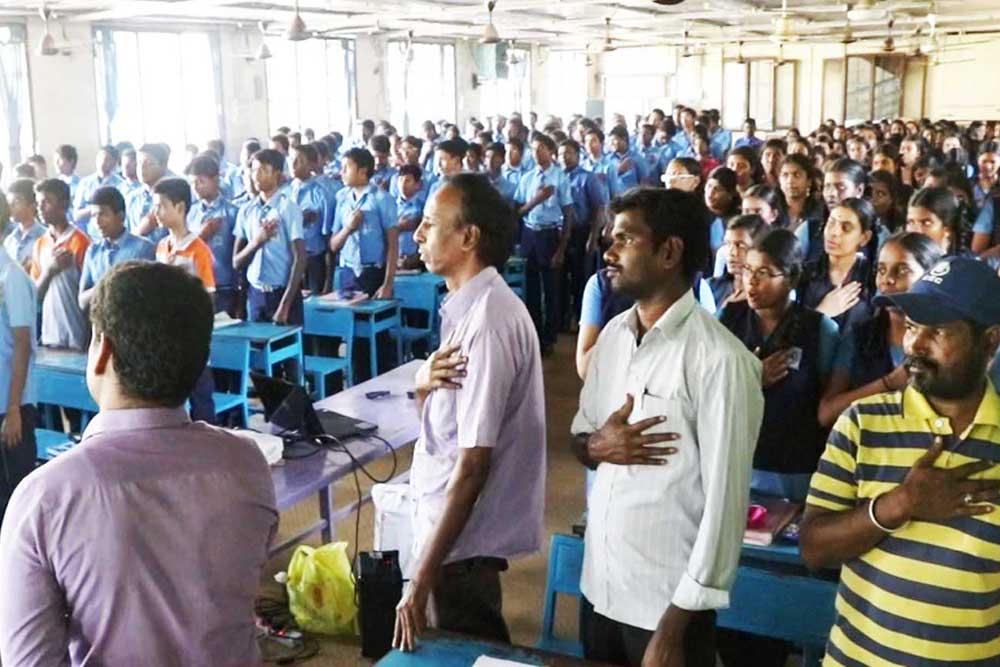
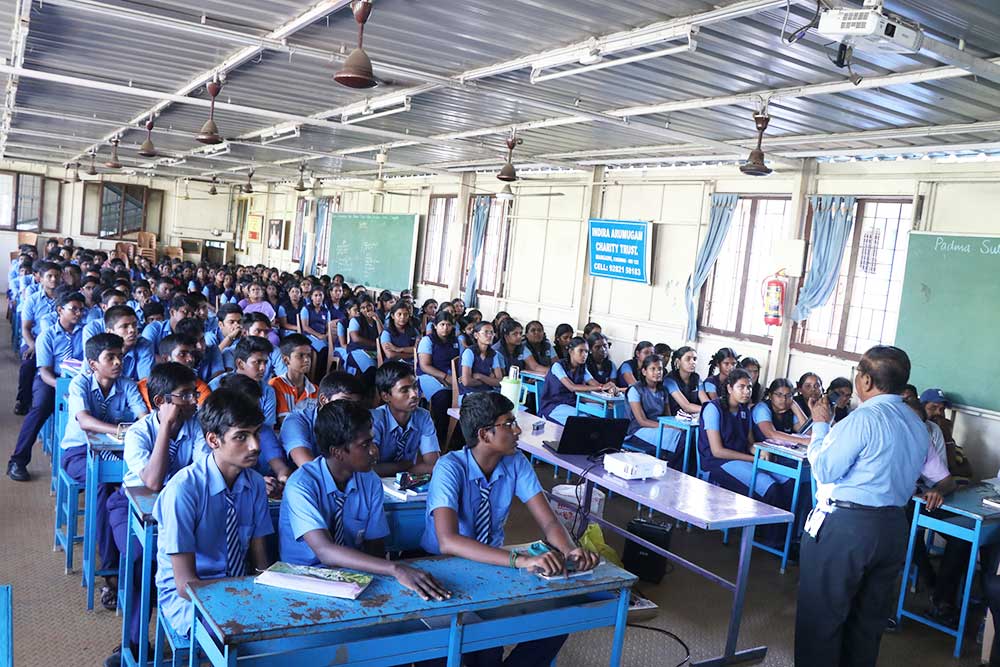
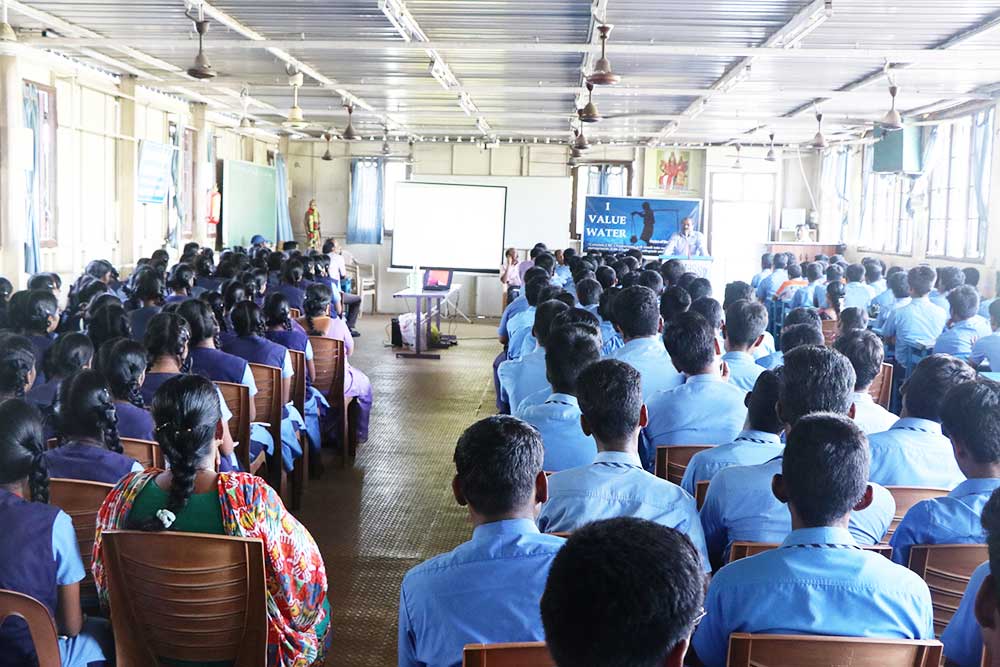
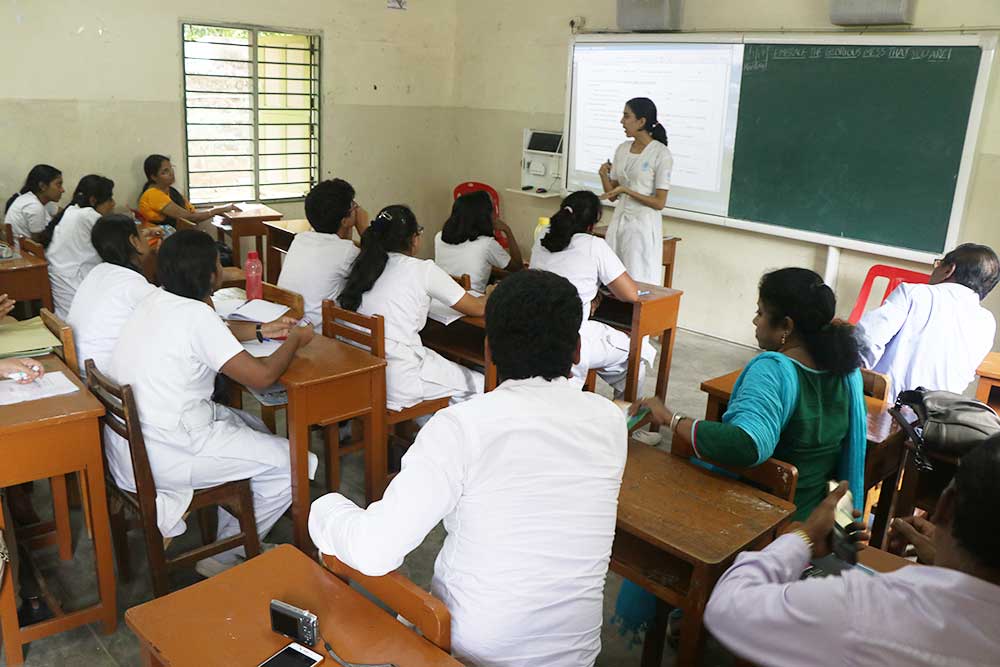
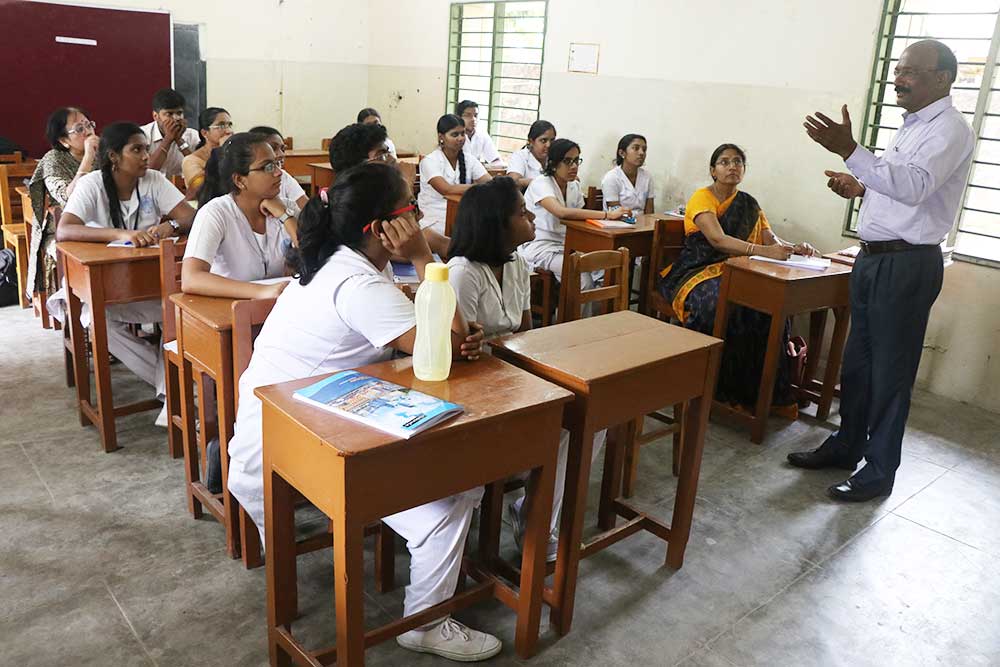
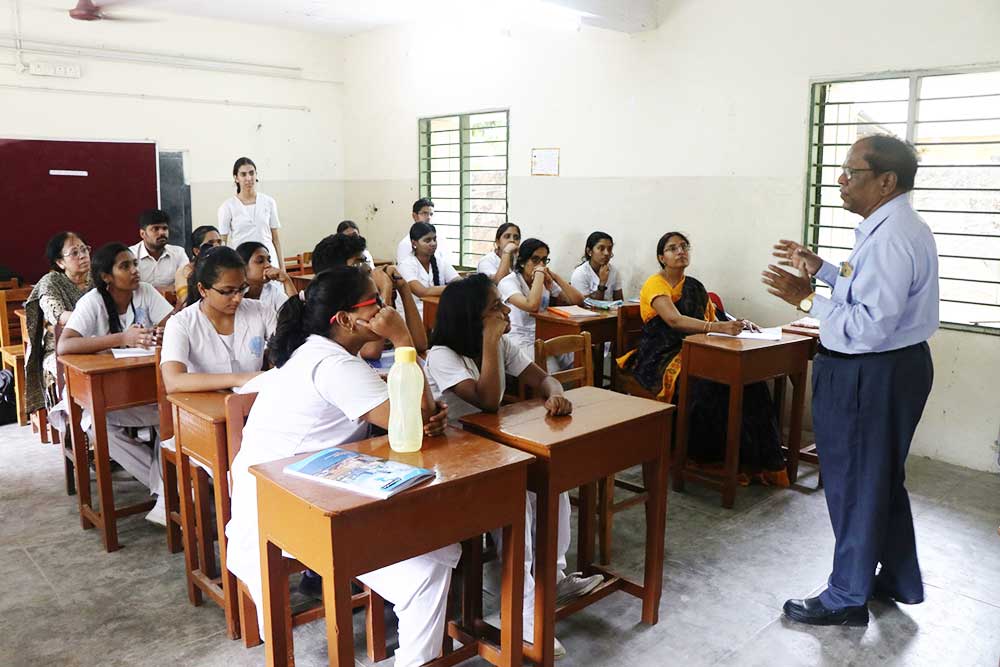
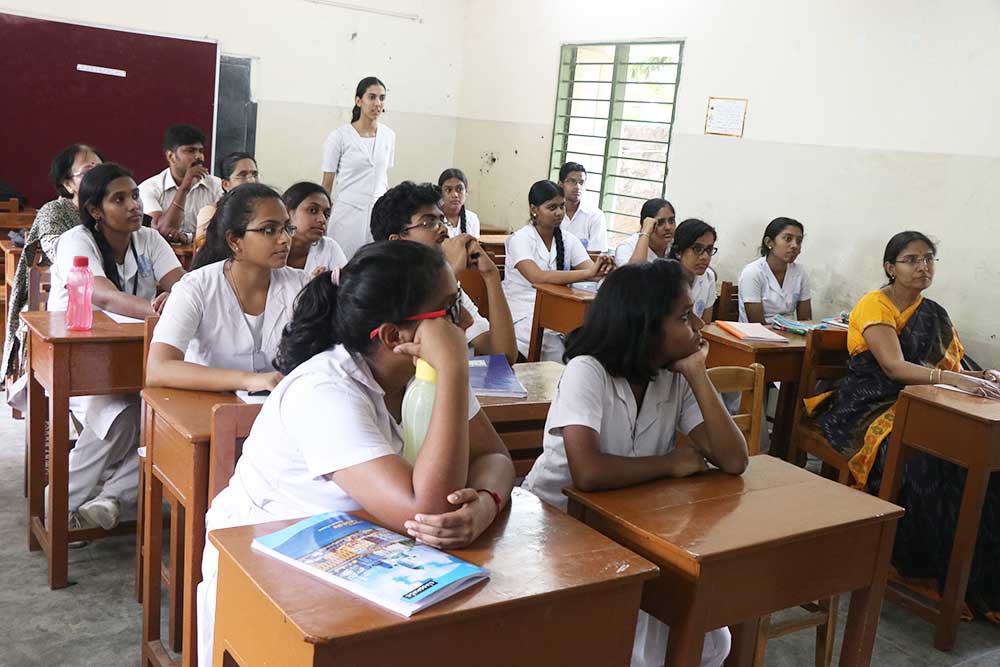
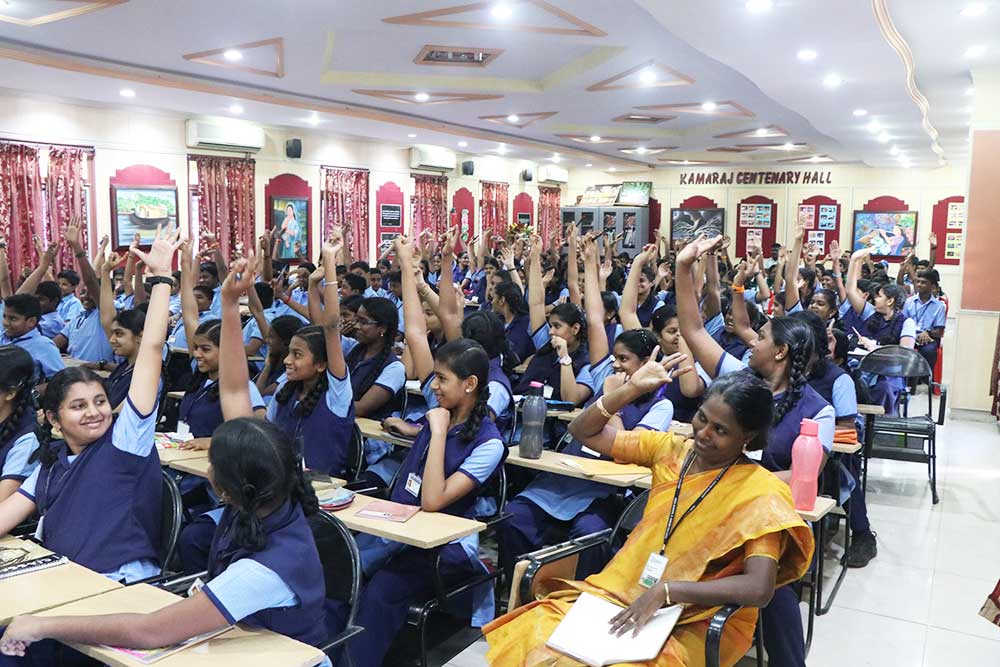
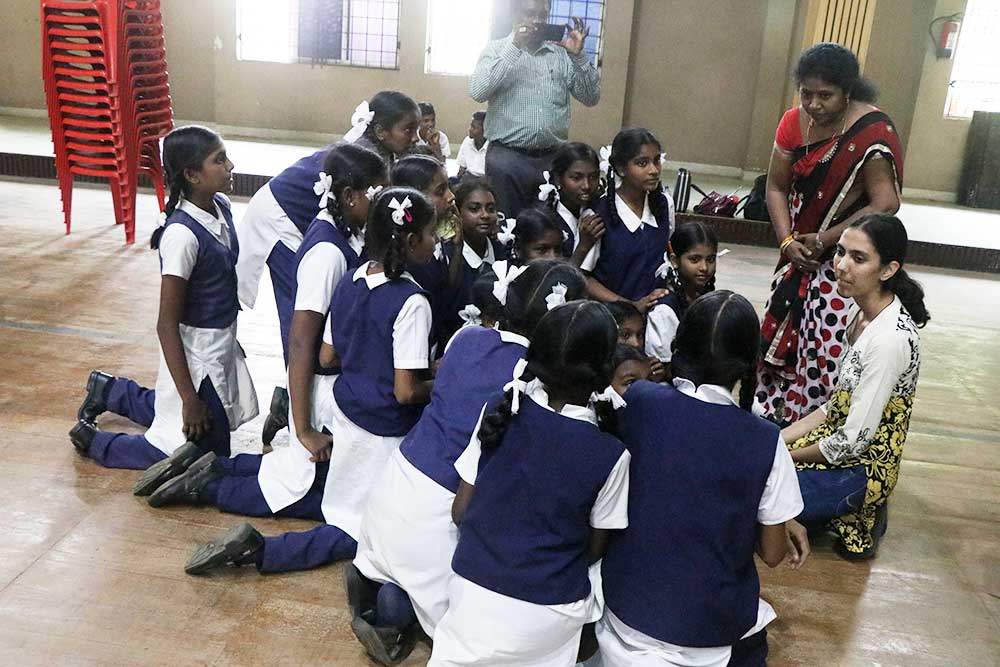
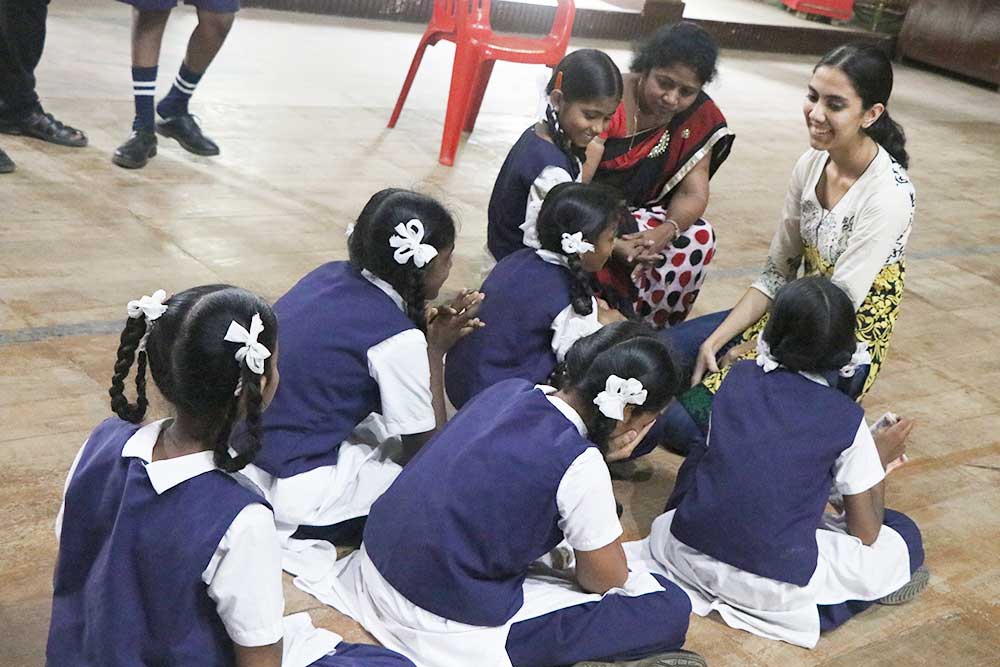
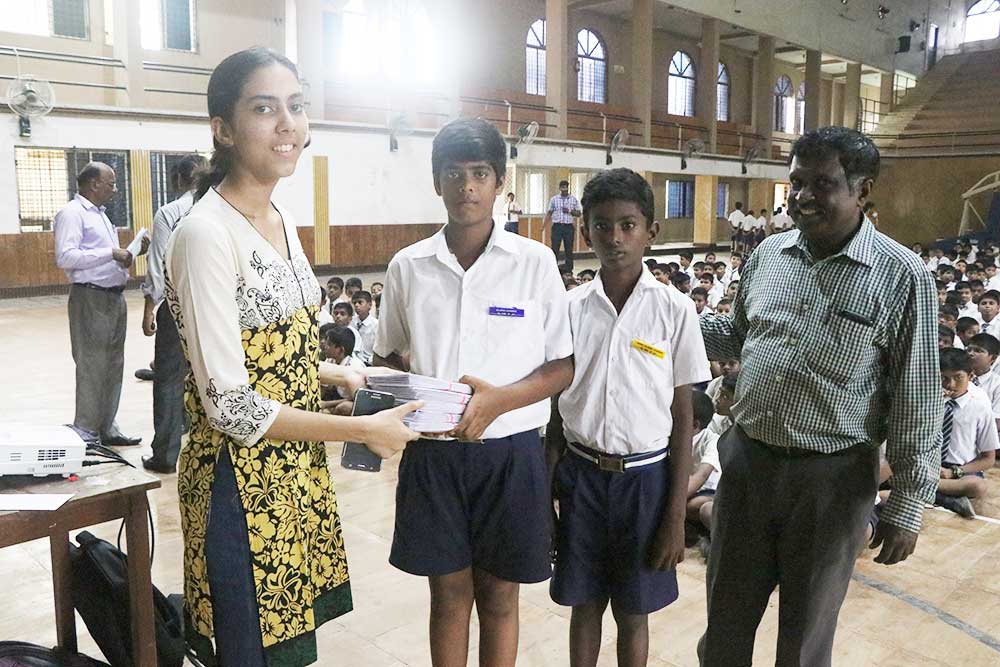
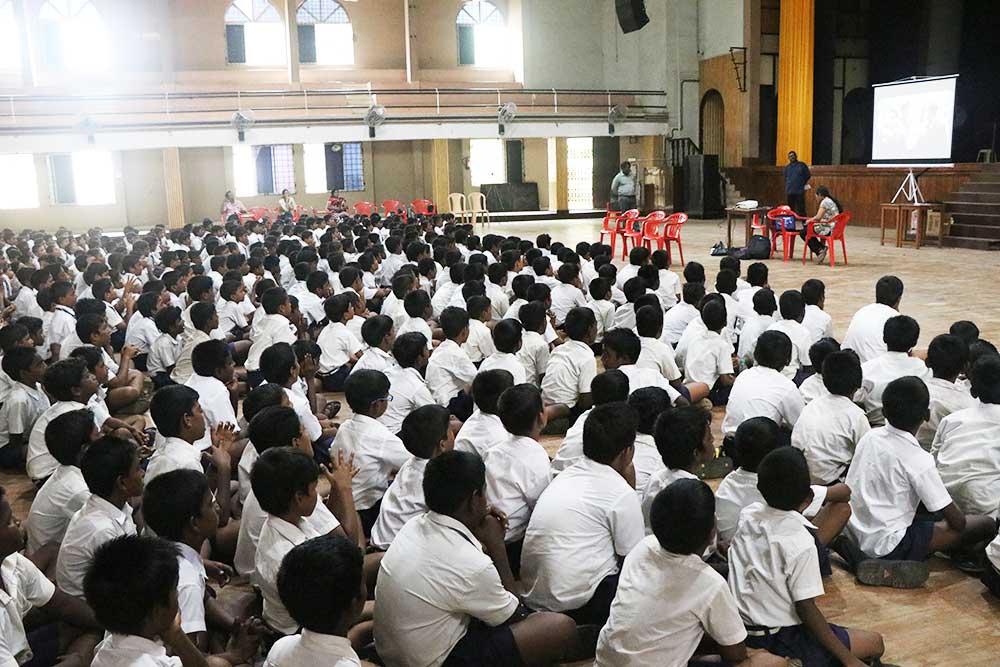
In the first approach involving ‘School Children’, the youth volunteers under the leadership and guidance of Ms. Nayar, CHRYSALIS and CEC’s Youth Leader, were imparted knowledge and addressed the issue of ‘Devaluing the Future’. More than 6,000 school children of 5 major schools were involved. Water Conservation awareness through audio and visual media were given to children. About 1,00,000 IEC materials conceptualized and developed by CHRYSALIS and CEC’s Youth Leader were printed and distributed through School Children. Nudge tools like Information Cards & Reminder Stickers along with Appeal letters were also distributed.
Apartment Residents
In the second approach viz, ‘Reaching out Apartment Residents’ was rolled out in 4 large residential apartments viz., Arihant, Thoraipakkam, L&T Eden Garden, Siruseri, Atrium Apartments, Perungudi and Arihant Heirloom, Navalur in Chennai. More than 2,000 residents were given awareness through audio visual media. IEC materials conceptualized and developed by Ms. Nayar, and Nudge tools were distributed to all residents. Mobile whats app groups formed and conservation messages were shared. Painting competition and presentation on water conservation by Apartment Children were conducted in collaboration with “The HINDU”.
Gallery
Inferences of the Study
| Supply Gap 831 MLDSupply vs 1500 MLD Demand Leaves an urban supply deficit of 669 MLD. | Nudge Potential 10.33%Water Saving Results in around 86 MLD reduction in the demand-supply gap. | Daily Economic Impact 7,170Tankers Saved / Day Saves about ₹43,0,000 per day in consumer spending. |
Policy Implications
This study encourages practitioners and policymakers to consider the impact of nudges and the potential opportunities created by these persistent cognitive biases and ‘irrationalities’ when determining how best to shift consumer behaviour in the desired direction i.e. water wastage reduction. In our context, the practiced interventions based on selected nudge for our study, tapping the power of behavioural economics are effective at reducing water consumption.
Given that constraints on the ability to increase supply and increasing water stress have made plummeting water use a priority for governments across the developing countries. The findings of this study are heartening in so far as they suggest that behavioral economics interventions can usefully supplement the persuasion-based tools currently in use to undertake this issue at the neighborhood level.
Secondly and more importantly, the study shows that behavioural nudges provide a potent alternative to policy makers to address the urban water conservation challenge, and are effective in resource and technology-constrained settings, such as in Chennai city.
Recommendations
| Status | Recommendations |
|---|---|
| ✓ | Take up this study extensively as a potential alternative to address the urban water conservation challenge, considering its effectiveness in resource and technology-constrained settings like Chennai. |
| ✓ | Make Water Meters mandatory for all new buildings and ensure existing water meters are functional. |
| ✓ | Certain essential measures like ensuring the volumetric measurement of water supply, furnishing billing information to the consumers and restructuring the pricing system be effected. Linear (up to certain quantity) and Slab System of pricing are to be enforced. Also, peer comparison can be effected. |
| ✓ | Advocating Technological tools on water conservation may be done. |
| ✓ | Educating school students to influence the family can address the behaviour to discount future gains. Future gains when equated with the needs off-springs get valued at a much higher level and are not discounted. Therefore, education department can add this to the syllabi with more emphasis on resource conservation especially water besides environmental concerns like pollution. |
| ✓ | Considering the sense of conserving the scarce resource and understanding the impact, 'Shut the tap theory' shall be the immediate approach to conserve the scarce water resource. |
Note: For further details about behavioral nudges and conservation insights, visit:
www.beecochange.org