
Genesis of CEC
What is CEC?
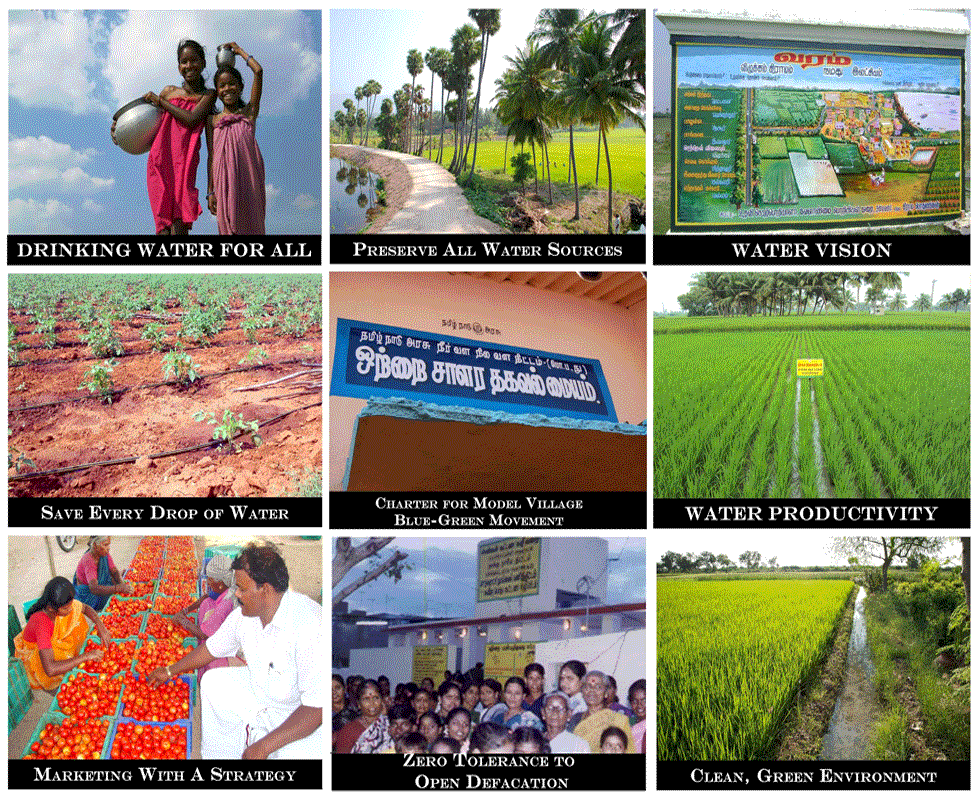
The CEC is an institutional platform for all likeminded change agents from government organisations, public utilities and civil society to champion transformation of the governance of critical services from within. Building on the experience of the Change Management Group(CMG), the CEC works with the vision of ‘Secure Water and Food for All, Forever.’ and a mission to mitigate climate challenges, water and food crisis, through a paradigm shift in water management and service delivery engendering individual and organisational change.
CEC now has a collective critical mass to work as a pressure group, straddling both the formal and informal space, and the opportunity to influence the purpose and practice of many public organisations and catalysing change in each one of them.
Genesis
To embed and spearhead evolving change experiments to improve service delivery from within (like the Maraimalai Nagar Declaration), a CMG was formed in Tamil Nadu. The CMG is a voluntary core group comprised of individuals from across specialisations, hierarchy, social or geographic groupings. The CMG in various departments of Tamil Nadu (Watsan, water resources, watershed, agriculture, livestock) have uniformly adopted a mandate.
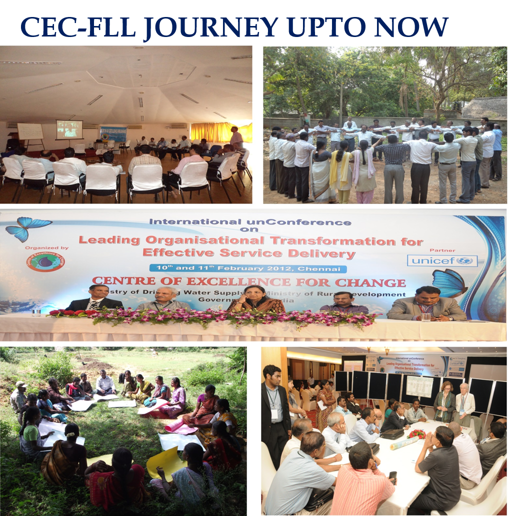
CEC-FLL Journey
Centre of Excellence for Change Management (CEC), has evolved from the Change Management Group (CMG) initiated in 2003, providing space for all like-minded Change Agents in Public Utilities, Government Organisations and Civil Society to work, especially for the disadvantaged and voiceless.
CEC since its inception has been spearheading change initiatives in the water sector through a paradigm shift in Water Governance.
CEC as a National Key Resource Centre (KRC) by the Ministry of Drinking Water & Sanitation (MoWR) Government of India, tasked with engendering catalytic training in WATSAN public utilities in Change Agent Network (CAN) Model to transform their service delivery outcomes.
Genesis of CEC
Centre of Excellence for Change Management (CEC), has evolved from the Change Management Group (CMG) initiated in 2003, providing space for all like-minded Change Agents in Public Utilities, Government Organisations and Civil Society to work, especially for the disadvantaged and voiceless.
CEC since its inception has been spearheading change initiatives in the water sector through a paradigm shift in Water Governance.
CEC as a National Key Resource Centre (KRC) by the Ministry of Drinking Water & Sanitation (MoWR), Government of India, tasked with engendering catalytic training in WATSAN public utilities in Change Agent Network (CAN) Model to transform their service delivery outcomes.
Journey from Change Management To FLL Approach
Also involved in providing process labs to 3750 Agricultural Extension officials. In addition 3000 ‘Community Collaborative Change Management Group’ (CCMG) Members (elected members) were also trained in change management.
Apart from the Change Management trainings to officials of public utilities, elected representatives around 2000 from Panchayat Institutions and Water Users Associations were given.
(CEC) has also initiated public transformation endeavours in the Watsan parastatals of Maharashtra, Karnataka, Himachal Pradesh, Rajasthan and Odisha. 502 Engineers and Scientists across hierarchies.
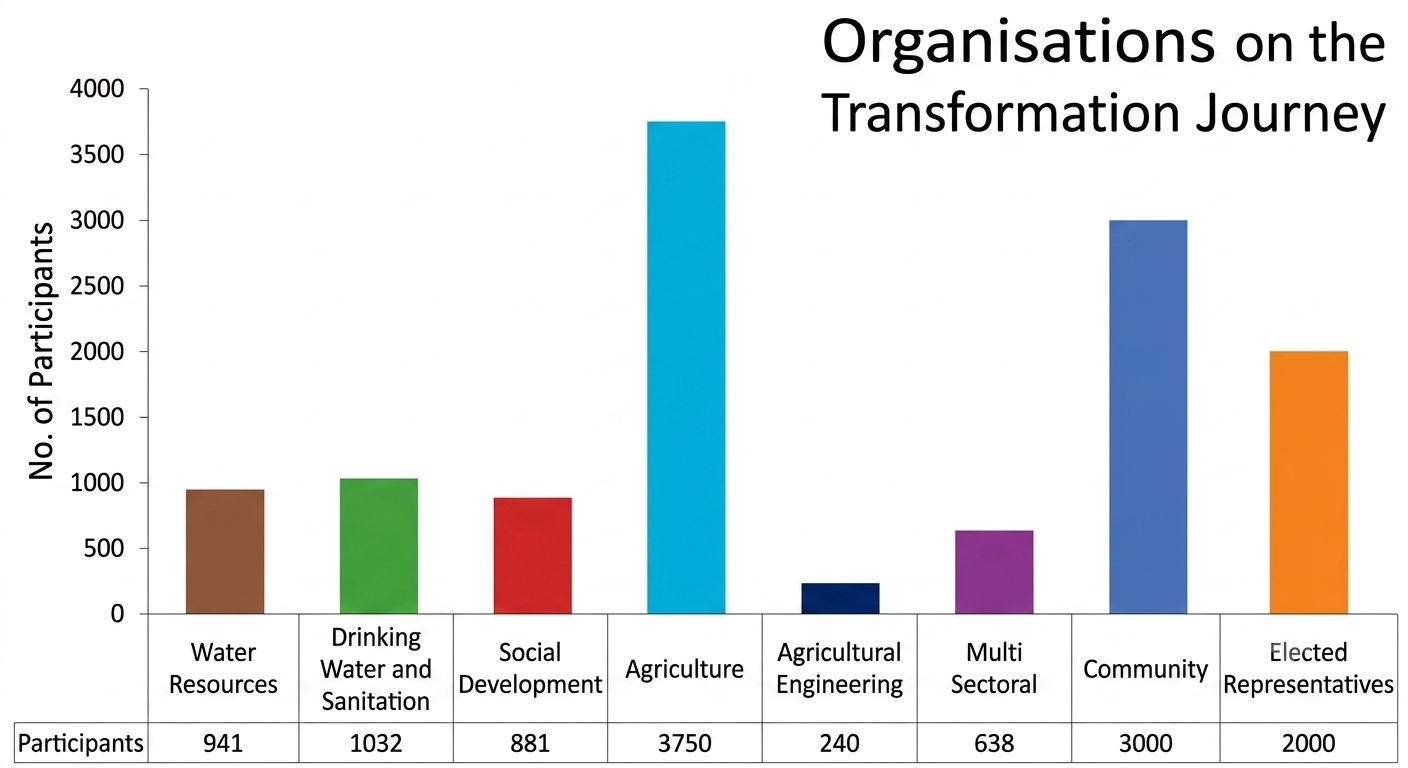
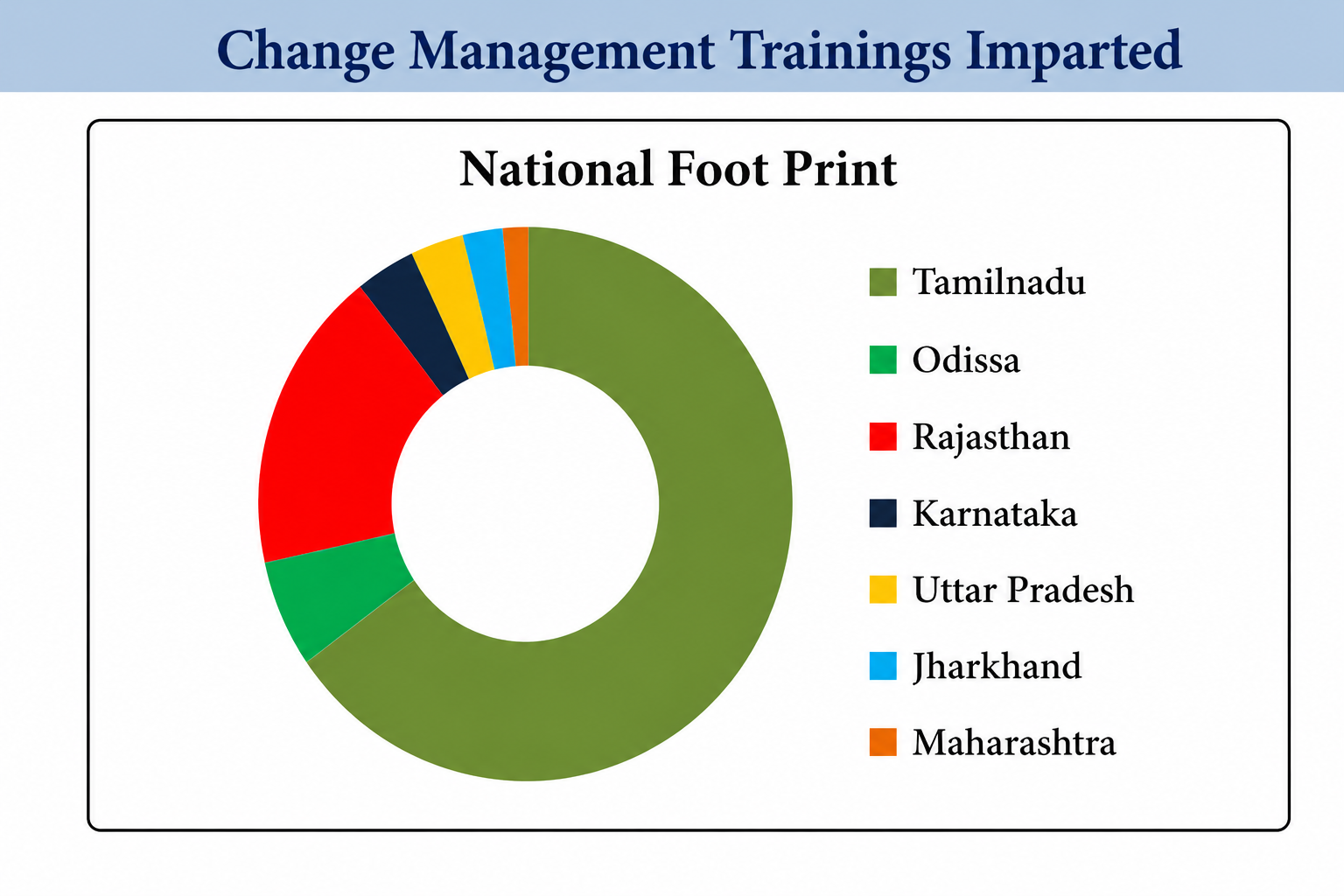
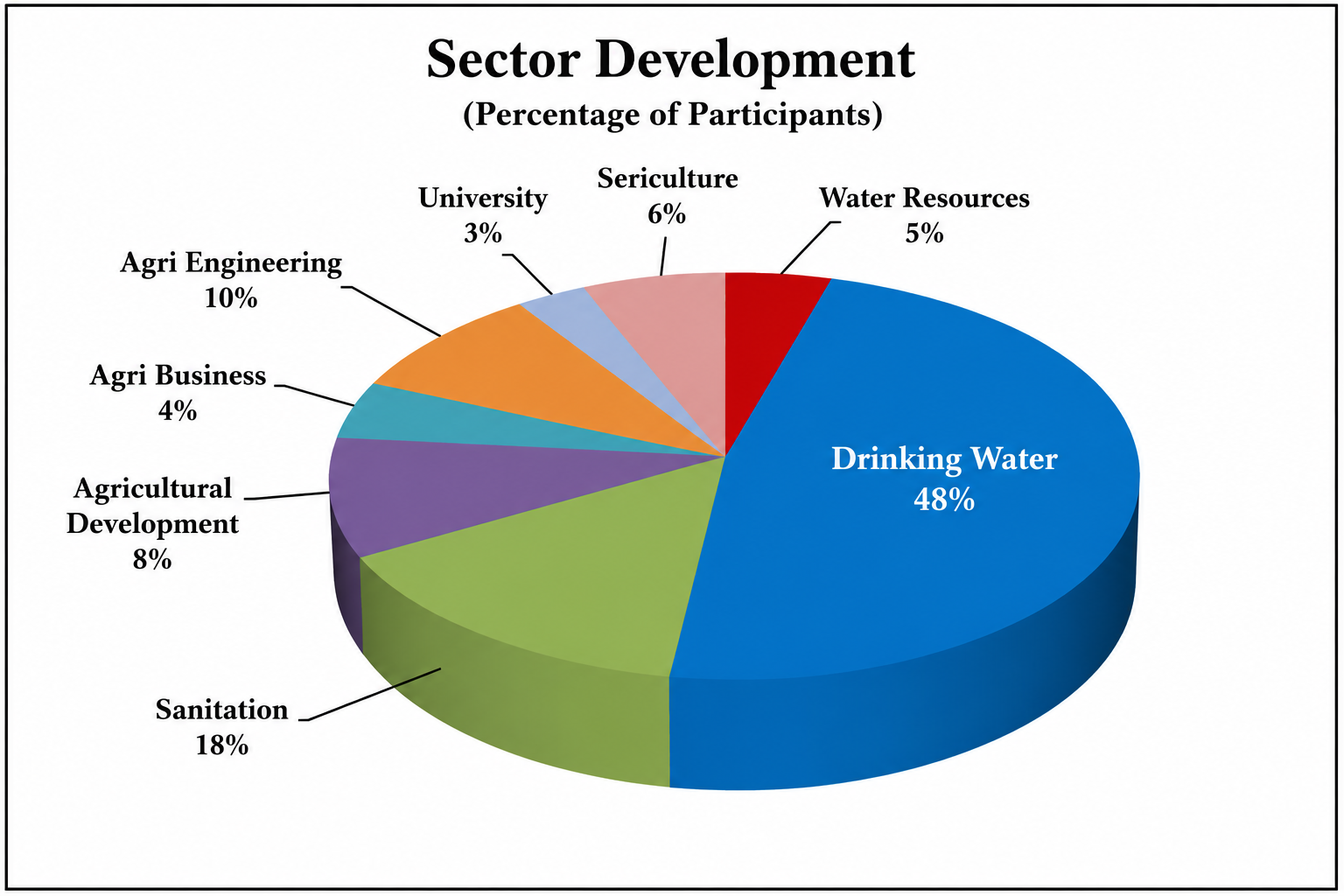
- From 2003 to 2007 – CEC imparted Change Management Trainings to about 600 Engineers from ‘Tamilnadu Water Supply and Drainage Board’ for improving its service delivery.
- From 2007 to 2009 – Expanded to Agricultural Engineering Department where around 240 Engineers underwent this process with significant results.
- From 2009 to 2016 – Trained 941 Water Resources Engineers, for enhance service delivery in the Water Resources Department especially focusing on Participatory Water Management.
- From 2016–2017: Field Level Leadership Initiatives Programmes (FILDI) for the officials of Dar-es-Salaam Water Supply Agency (DAWASA) and Dar-es-Salaam Water Supply Corporation (DAWASCO) of United Republic of Tanzania. FLL – DAWASA, TANZANIA
- From 2016–2017: Field Level Leadership Initiatives Programmes (FILDI)for the officials of Meghalaya Basin Development Authority (MBDA) & Soil and Water Conservation Department (SWCD) & Community Rural Development (CRD) of Meghalaya, India.
- During 2018: Field Level Leadership Initiatives Programmes (FILDI)for the officers of Ministry of Micro Small & Medium Enterprises (MSME), Government of India.
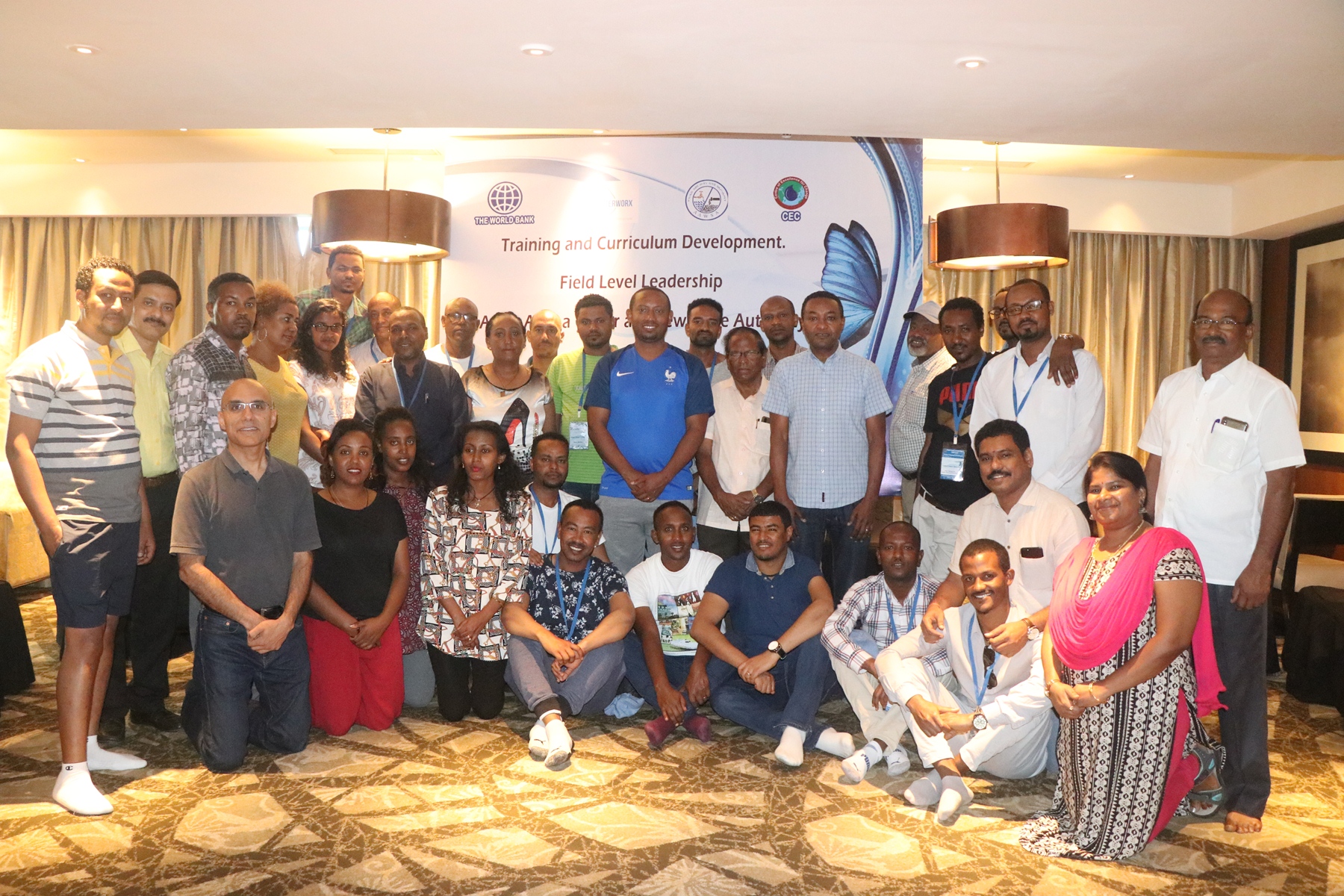
- 2019–2020: Field Level Leadership (FLL) Approach for the Officials of Addis Ababa Water and Sewerage Authority (AAWSA), ETHIOPIA. FLL – AAWSA, ETHIOPIA
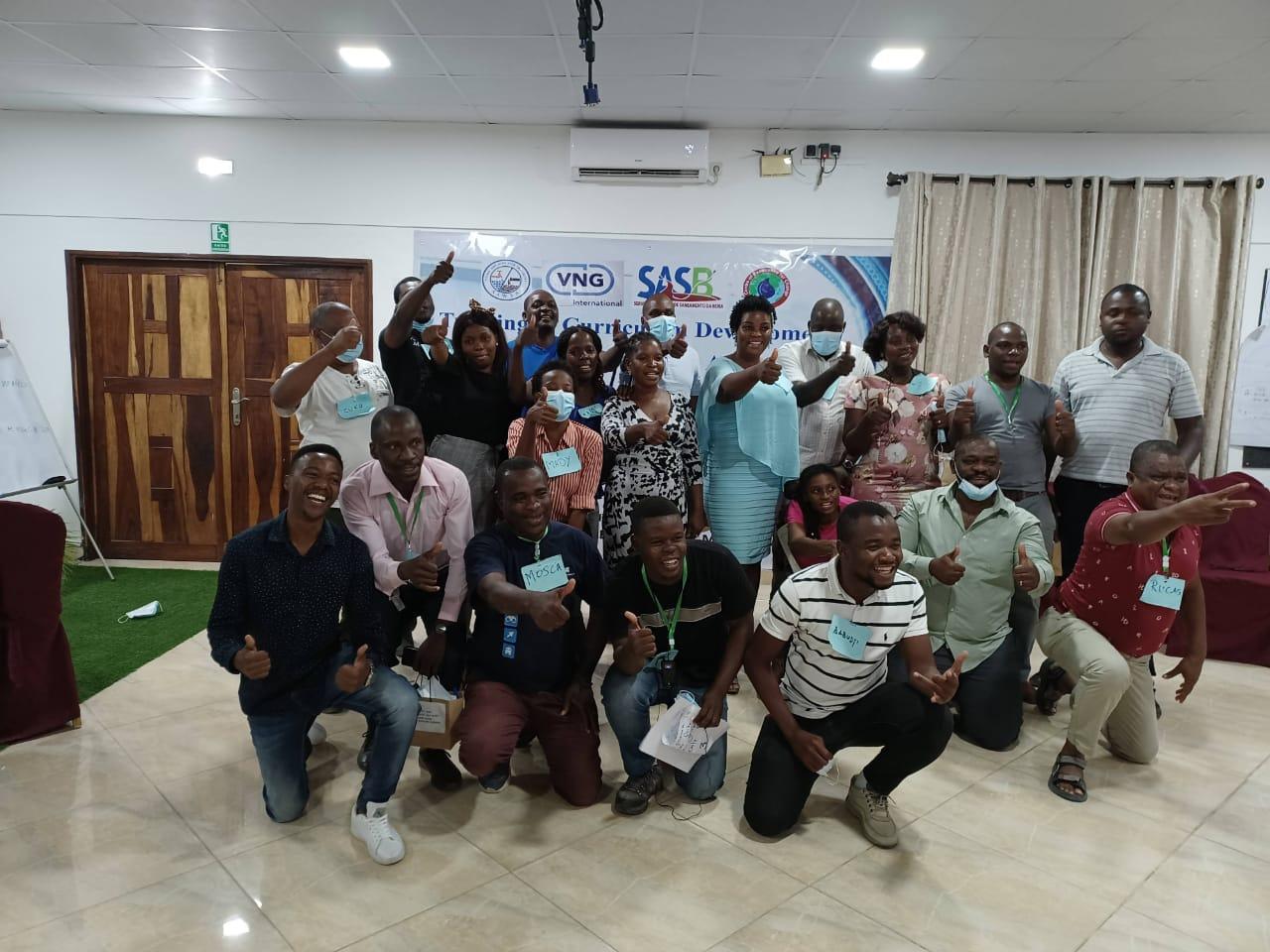
- From 2021–2022: Curriculum Development and Training of Trainers on Field Level Leadership Approach for the Officers of SASB, Beira, The Republic of Mozambique. 23.11.2021 to 02.12.2022.
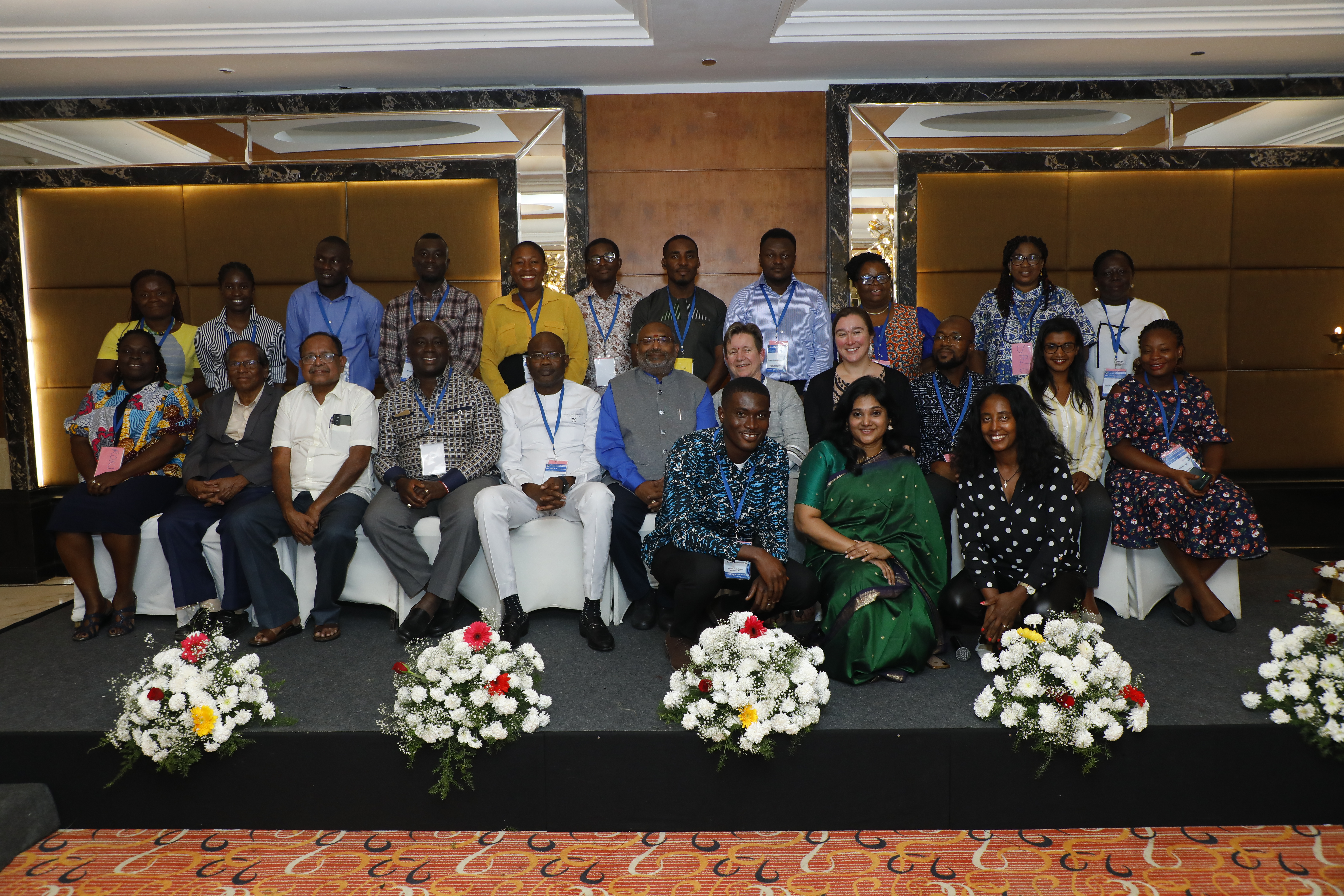
- From 2022 to 2023: Curriculum Development and Training of Trainers on Field Level Leadership Approach (FLL) for the Officers of Ghana Water Company Limited (GWCL), Republic of Ghana during 13.02.2023 to 22.02.2023, held at Chennai.
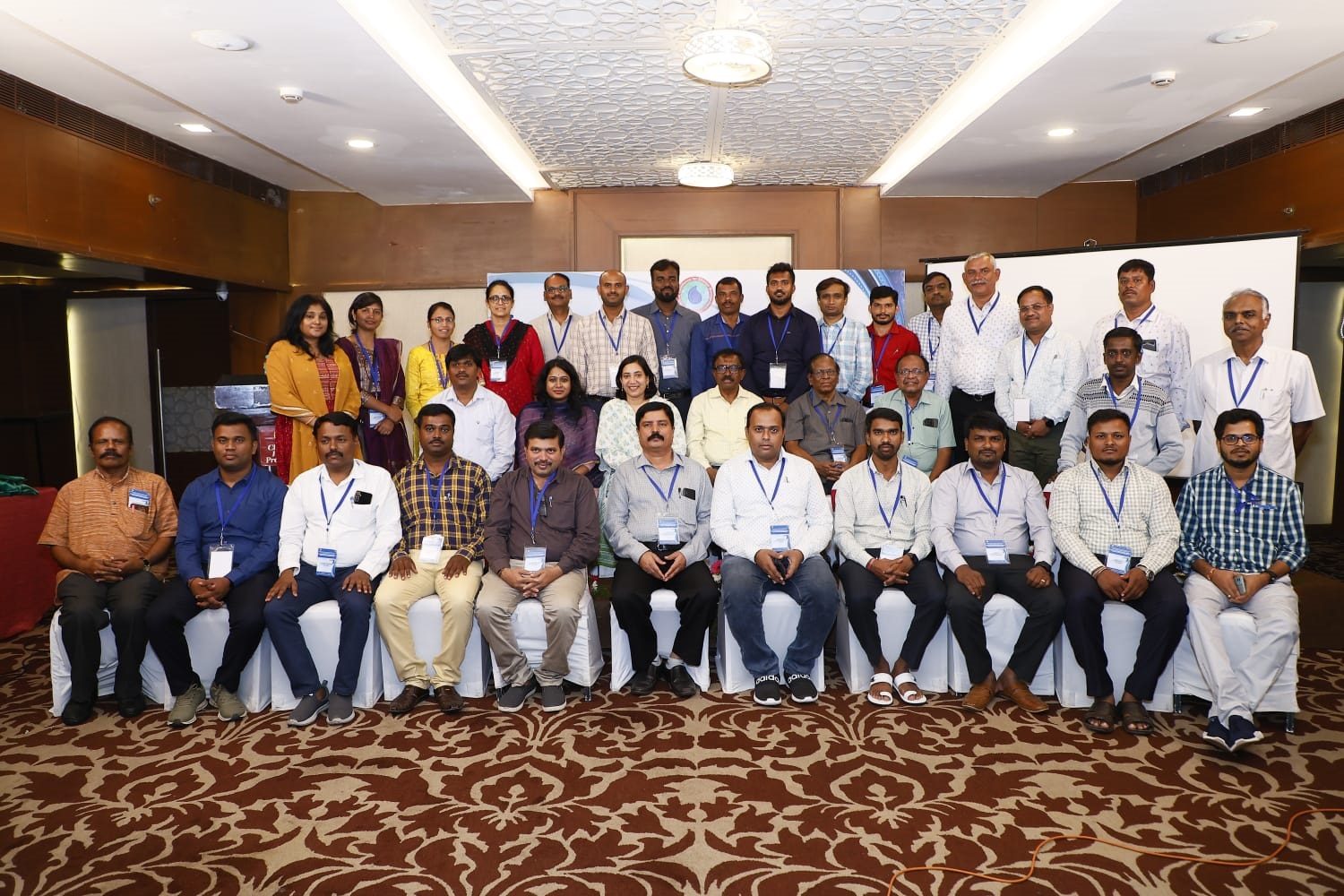
- From 2022 to 2023 – Two Workshops on Curriculum Development and Training of Trainers on Field Level Leadership Approach for the Officers of Rural Drinking Water Sanitation Department, Government of Karnataka have been conducted at Chennai with World Bank Assistance from 26.09.2023 to 05.10.2023 and 09.10.2023 to 16.10.2023. Sixty Four officers were trained as Master Trainers in these workshops.
- 2 Days Convergence Workshops for Multi-Disciplinary Officers of TNIAMP @ Rs. 2.35 Lakhs during 11.03.2024 to 12.03.2024 at Chennai.
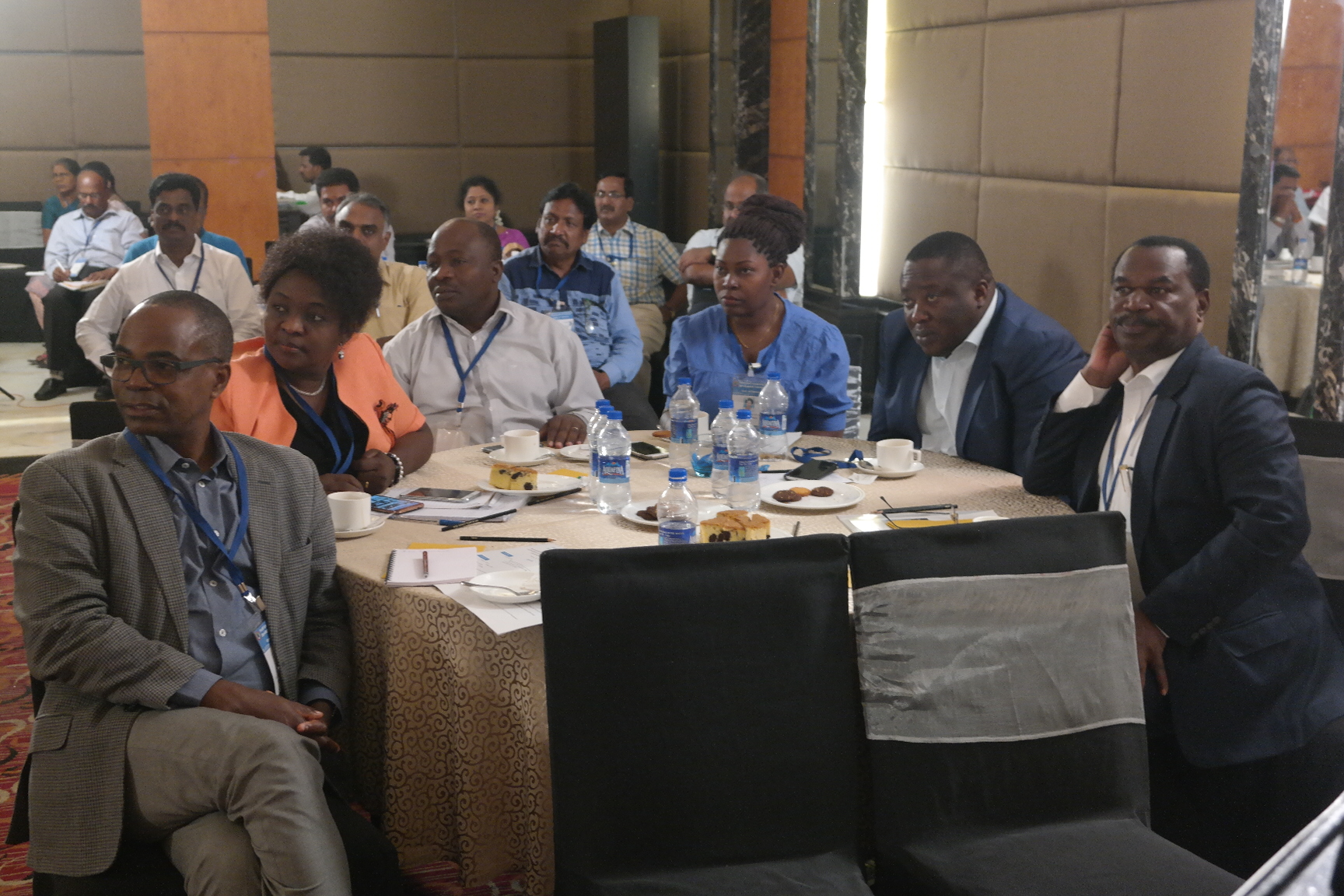
- From 2025 to 2026– Curriculum Development and Training of Trainers on Field Level Leadership (FLL) Approach for the Officers of Georgia Amelioration & GRAIL Project, Georgia from 01.12.2025 to 10.12.2025 at Hyatt Regency, Chennai.
- On-Site Implementation Support on FLL Approach for the Officers of Georgia Amelioration & GRAIL Project, Georgia from 23.02.2026 to 27.02.2026 had been conducted at Georgia under World Bank Funding.
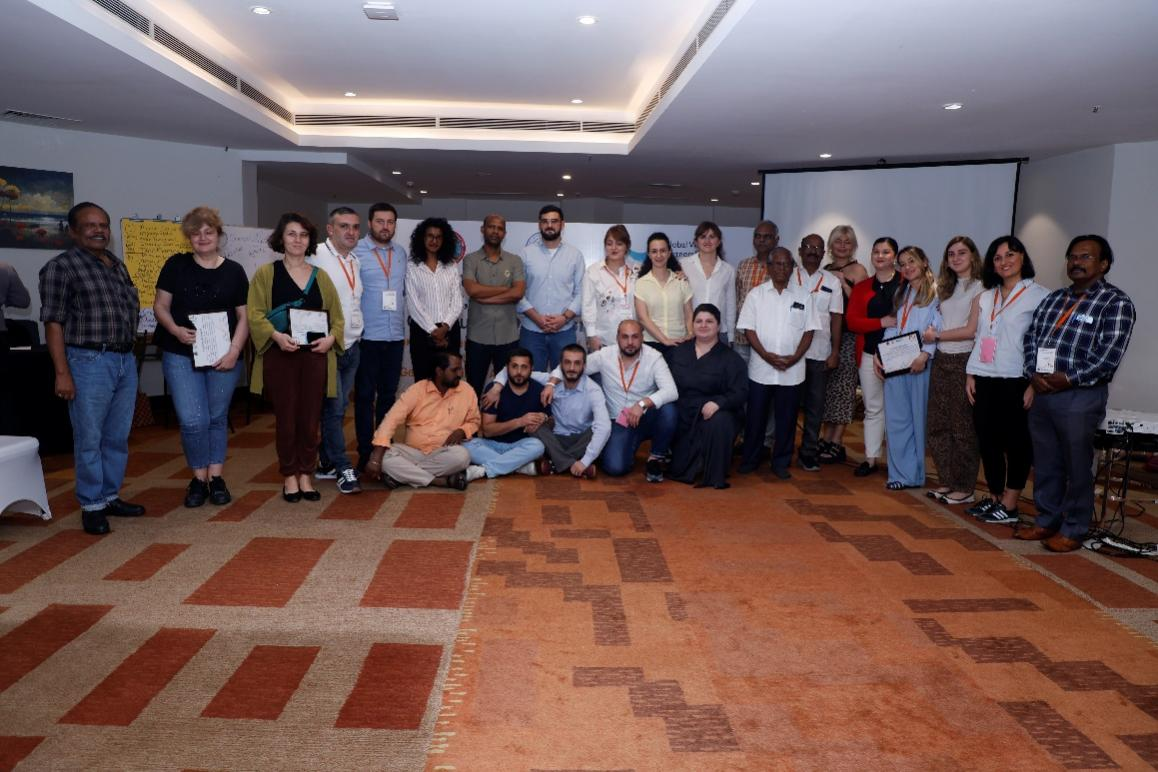
Outcome of FLL
Measurable behavioral improvements and evaluation reports from the Field-Level Leadership (FLL) implementations.
Behaviour of Officials specialized with FLL
| S.No | Behaviour / Actions of Officials Specialized with FLL |
|---|---|
| 1 | Visit more frequently |
| 2 | Visit more often with officials from other participating/converging departments |
| 3 | Visit more often whenever there is a need |
| 4 | Meet more stakeholders including small and marginal farmers |
| 5 | Meet all beneficiaries |
| 6 | Discussed project interventions and gave information on various relevant issues such as farming, water management or overall development of the village |
| 7 | Answered villagers’ queries |
| 8 | Listened to villagers’ suggestions |
External Evaluation Reports
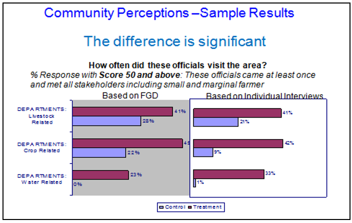
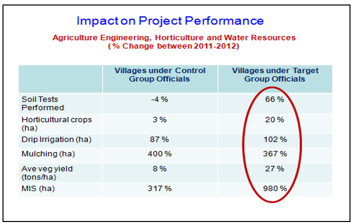
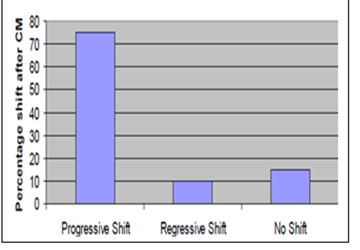
A similar external evaluation (Joy, 2007) done in the Tamil Nadu Rural Water Supply Program (TNRWSP) in 2006 reported significant shifts in the values of engineers who had worked with the change management (CAN) model. The evaluation went on to report: